
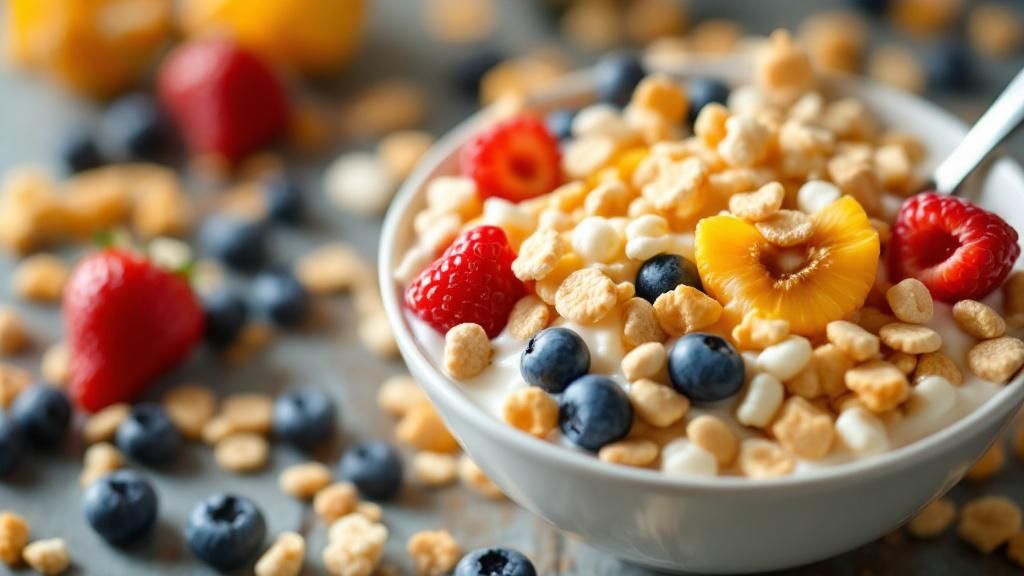
Whilst many Britons regard breakfast cereals and yoghurts as wholesome essentials, leading nutritionists have raised concerns over dangerously elevated sugar content concealed behind ostensibly healthy packaging. A new study reveals that popular brands marketed as healthy options contain sugar levels rivalling desserts, often exceeding recommended daily limits in a one portion. This investigation examines which breakfast favourites are offenders, explores the labelling tactics masking these hidden sugars, and offers practical guidance for making genuinely nutritious breakfast choices.
The Sugary Content Problem in Morning Cereals
Current research have exposed a concerning pattern in the breakfast products sector, where products marketed as nutritious and wholesome often mask substantial amounts of sugar content. Many shoppers without realising ingest high sugar levels through their daily breakfast, thinking they are selecting nutritious options. Dietary specialists alert us that these concealed sugars play a major role to obesity, adult-onset diabetes, and tooth decay across the population across the UK. The problem is particularly acute among young people, whose daily sugar intake regularly surpasses recommended guidelines before mid-morning.
The deception is partly rooted in advanced promotional techniques and deceptive packaging labels employed by manufacturers. Products featuring images of ripe fruit, wholegrains, and wellness statements often have sugar content comparable to confectionery. A single serving of certain popular cereals can contain up to 12 grams of sugar, whilst some fruit yoghurts exceed 15 grams. These figures represent 30 to 40 percent of the recommended daily sugar intake for adults, prompting significant worry amongst medical experts and consumer protection organisations.
The economic motivation to incorporate excessive sugar in breakfast products arises from its role as a cost-effective ingredient that improves palatability and shelf stability. Manufacturers understand that high-sugar products resonate with consumers’ taste preferences, boosting sales and profit margins. However, this focus on profit over health over public health has resulted in a significant public health crisis. Nutritionists argue that tougher rules and mandatory clearer labelling are vital to protect vulnerable populations from unknowingly consuming harmful quantities of sugar.
Beyond individual health consequences, the prevalent use of sugar-heavy breakfast foods puts significant pressure on the NHS and public health systems. Conditions linked to obesity, diabetes management, and dental treatments drain NHS resources billions annually. Reducing incidence through enhanced nutrition would markedly decrease these expenditures and improve population wellbeing. Yet without greater transparency and business oversight, consumers remain effectively prevented from obtaining complete dietary information about their breakfast selections.
Understanding the scale of this issue requires examining individual products and their sugar content in depth. Many households commonly purchase cereals and yoghurts considering them nutritionally balanced morning choices. However, detailed comparison reveals striking differences between promotional messages and actual nutritional profiles. Some brands contain higher sugar levels per serving than a slice of cake, yet are presented as health foods designed for kids and health-focused adults.
Health professionals emphasise that consumers need to be more discerning when picking breakfast foods, reviewing nutrition labels rather than trusting promotional claims. Terms like “natural,” “wholesome,” and “nutritious” have no official definition and can mislead shoppers. The high sugar levels in breakfast foods represents a systemic collapse of corporate self-oversight and demonstrates the urgent need for shopper information and legislative intervention to ensure health protection.
Recognising Concealed Sugar Content in Breakfast Cereals
Breakfast cereals have become increasingly problematic in terms of concealed sugar levels, with manufacturers employing various tactics to mask the actual nutritional profile of their products. Many cereals promoted as wholesome and nutritious have sugar amounts that would be regarded as too high in other food categories. The issue is compounded by the fact that consumers often rely on these items based on their branding and packaging, which frequently feature health-related imagery and claims that suggest nutritional benefits rather than highlighting the significant sugar content.
The misleading character of sugar in cereals goes further than the obvious sweetened varieties, as even apparently nutritious options with whole grains, dried fruits, or honey can contain significant amounts of sugar additions. Manufacturers take advantage of consumer assumptions that certain ingredients automatically make a product nutritious, when in reality these additions significantly increase the overall sugar content. Understanding the workings of these promotional tactics is essential for consumers seeking to make informed food decisions for themselves and their families.
Reading Nutrition Labels Properly
Interpreting nutrition labels is crucial for identifying hidden sugars in morning cereals, yet a large number of people find the information presented difficult to understand or purposefully concealed. Labels often list sugar levels in grammes, which conveys little to the ordinary shopper without grasping suggested daily consumption guidelines. Additionally, manufacturers frequently use various sugar types within each product, spreading them across the ingredient list to render individual ingredients appear minor. Mastering the interpretation of these labels properly allows people to differentiate truly healthy choices from products simply promoted as healthier options.
The basis for accurate label reading depends on comprehending both the total amount of sugar and the proportion of daily recommended intake contained in a individual portion. Consumers should also understand that serving sizes displayed on packaging are often smaller than what consumers actually consume, artificially lowering the apparent sugar content per serving. By contrasting different products between different brands and understanding how manufacturers calculate their nutritional data, shoppers can make considerably more well-reasoned choices about which cereals genuinely offer nutritional value rather than just offering a sugary start to the day.
- Check total sugars per serving listed in grams carefully.
- Assess serving sizes across different brands for accurate comparison.
- Identify added sugar distinct from naturally occurring sugars.
- Calculate proportion of daily suggested sugar consumption for each serving.
- Examine ingredient lists for multiple forms of sugar present.
Yoghurt Products and Deceptive Marketing
Yoghurt has long been positioned as a health-conscious morning option, yet many well-known producers conceal significant sugar amounts beneath assertions about plant-based elements and beneficial cultures. Flavoured yoghurts frequently contain 15-20 grams of sugar per 125-gram serving, equivalent to approximately four teaspoons. Whilst producers highlight live cultures and calcium content, the sugar content regularly surpasses that found in comparable desserts, misleading consumers into believing they are making nutritious selections for themselves and their loved ones.
Marketing approaches adopted by yoghurt manufacturers are particularly deceptive, utilising terms such as “natural,” “wholesome,” and “probiotic-rich” to mask nutritional realities. Labels on the front of packaging regularly emphasises positive attributes whilst sugar content remains inconspicuous on the rear, taking advantage of consumer dependence on marketing claims rather than comprehensive nutritional information. Colours and imagery implying fruit content typically bear little similarity to actual fruit quantities, with many products relying instead on artificial flavourings and concentrated fruit juices that increase overall sugar levels.
Hellenic yoghurts, positioned as high-end wellness items, similarly display deceptive nutritional information. Although offering elevated protein content than standard yoghurts, many branded varieties contain comparable or greater sugar content. Consumers purchasing these items at premium prices frequently assume they are paying for better nutritional value, not realising that added sugars diminish potential health benefits. The view of Greek yoghurt as naturally superior has allowed producers to command premium pricing whilst retaining high sugar amounts.
Organic and natural yoghurt brands frequently employ comparable promotional strategies, suggesting that organic certification ensures nutritional superiority. However, organic designation concerns manufacturing processes rather than nutrient composition, and many organic-certified yoghurts contain equally high sugar levels. This confusion between organic status with nutritional advantages constitutes a significant consumer misconception, with shoppers believing that premium pricing and natural labelling correlate with lower sugar levels and better nutritional quality.
Industry labelling approaches further obscure sugar content through multiple naming approaches and measurement methods. Sugar appears under various alternative names including glucose syrup, honey, and fruit juice concentrate, scattering identifiable sugar content across ingredient lists. Serving sizes are often set artificially low, causing per-serving sugar amounts to seem less concerning than genuine consumption behaviour would suggest, notably for children who might consume larger portions.
Health professionals recommend scrutinising nutritional information and ingredient details instead of depending on advertising statements when choosing yoghurt products. Simple, unsweetened varieties provide the most nutritious alternative, enabling people to include measured quantities of fruit or honey if wanted. Reading labels carefully and comparing sugar content across brands supports better buying choices, enabling families to decrease concealed sugar consumption and create truly nourishing morning habits that support long-term health and wellbeing.
